
By Brian Lin
As science communicators, sometimes we are faced with a project with multiple angles that could engage different audiences in different ways. This is a great opportunity to think creatively about building a multi-faceted communication campaign to tell a holistic story about the process and impact of science.
More is More
EurekAlert!’s various content types – News Releases, Multimedia Releases, Media Advisories, Feature Stories, and even Sponsored Content banners – are designed to help support such a strategy.
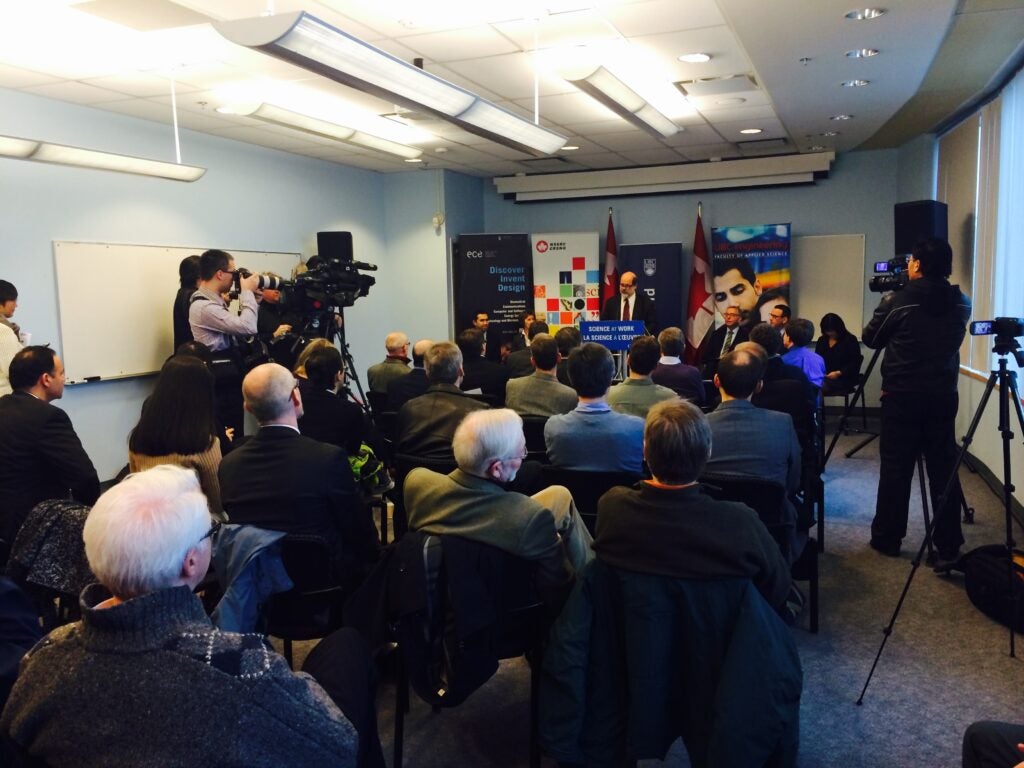
For example, when I worked as a press officer at the University of British Columbia (UBC) in Vancouver, Canada, one of my responsibilities was working with provincial and federal governments to announce their investments to our scientific research and education while showcasing the impact these investments could make in our local, national, and international communities.
Projects like these can involve multiple stories told through different formats over a period of several months.
Credit: Brian Lin
Building Your Campaign
Here’s how you can structure a communication campaign using the various channels and tools at your disposal on EurekAlert!:
- Media Advisory
- Typically issued 1-3 days prior to a physical event
- For example: Opening ceremony of a building; visit of government officials and major donors; press-only tour of labs and classrooms
- Serves as invitation of media to campus
- Offers enough detail to pique journalists’ interest, but not too much that they don’t need to attend the physical event
- Key information (e.g. funding amount; major donor identify) should be kept under embargo until announcement day
- Typically issued 1-3 days prior to a physical event
- News Release
- Typically issued the day of a physical event to mark the occasion
- Should be submitted as a Business Announcement on EurekAlert!
- May include quotes from government representatives, major donors, senior leadership of the university, building owner (e.g. dean, department head) and occupants (e.g. students and lab members)
- Should clearly articulate the potential impact of investment to science, education, local economy, university or national priorities
- Additional News Releases (Peer-Reviewed Publications, Reports & Proceedings, and Grant & Award Announcements) may also be issued around or after the primary event-specific news release
- Feature Story
- Typically issued just before or periodically after the physical event
- May be repurposed from/for the university newsletter, faculty newsletter, annual reports, donor communications, etc.
- Should focus on the people and processes that may benefit from the investment
- For example: better learning environment for students; state-of-the-art lab and equipment for researchers; community space or programming for local residents; potential to attract high-quality students, faculty, and staff
- Multimedia Release
- May be issued any time before or after the physical event
- Offers a collection of photos, audio, and video clips that showcases the people, processes, and assets associated with the project
- Aims to engage visual learners and younger audiences
- May be repurposed from/for social media
Connect the Dots
While these individual pieces of content can be discovered and consumed (often called “touchpoints“), what makes them even more powerful together is connecting them into a larger narrative.
The key to connecting these individual pieces to tell a larger story is to cross-link and cross-reference one another to increase the chances of audiences discovering and exploring other aspects of the same project.

(Credit: Canva Dream Lab AI-generated image)
With the EurekAlert! News Release Distribution Service, PIOs may submit multiple pieces of content and cross reference and cross-link all the elements so that if an individual discovers one story, they have the opportunity to readily discover other angles. If you’d like to add a new link to an already published news release, simply contact webmaster@eurekalert.org with your request.
If budget permits, an organization can also purchase one or more Sponsored Content banners to increase potential discovery of their stories.

Use What You Own
Of course, you’ll want to utilize your own social media channels to promote each of these stories individually as well as how they fit into the bigger picture (an X thread is a great way to link individual posts).
Talk to Us
Have you created multiple pieces of content to tell a larger story for your organization? Have you used multiple EurekAlert! content types to maximize your exposure? Share your experience with us at webmaster@eurekalert.org and we may update this blog post with your input.