
Written by RM, Osaka Metropolitan University
I am the PR manager at a university in a country where English is not the native language. With 2.5 writers and one coordinator, we publish more than 140 press releases annually while also supporting a wide range of international communications activities. Fortunately, some of them were selected for the EurekAlert! Trending News Releases section on the homepage, and for that I’m genuinely grateful.
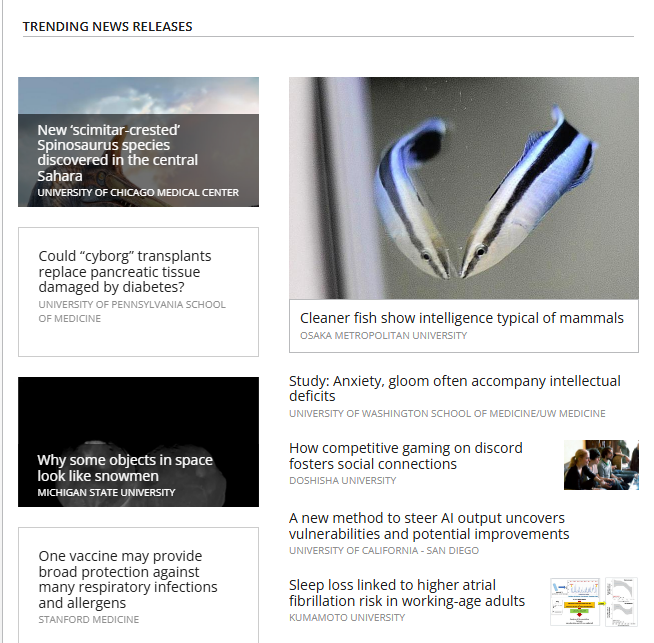
When the EurekAlert! team invited me to write a blog post, I wondered what special secrets I could share. The truth is: none. My approach is remarkably ordinary.
Rule #1: Build a team that shares one goal
For us, the goal is simple: increase our university’s international visibility.
Whenever we face a decision, we ask one question: “Will this help more people around the world notice our research?” If the answer is yes, we proceed. If not, we think again.
Another lesson: occasionally be stubborn.
Sometimes I want to adjust one phrase, rethink one idea, or move one graphic element a few millimeters. Team members understandably think, “But I already gave you my best version.” Most of the time they are right. Still, every now and then, that extra step makes a difference.
Titles are for journalists, not researchers
My perhaps controversial opinion is that researchers should write papers, while PIOs should write press releases, especially the headlines.
A press release is not a paper summary. It is an invitation to a journalist.
I rarely use the paper title as-is, and I almost never ask researchers to create the release title. Journalists look for relevance, clarity, and sometimes a little curiosity. Researchers, understandably, look for precision.
Both are valuable. They are simply different jobs.
I also have a personal rule: if a headline becomes too long, my attention starts packing its bags and heading for the exit.
A title is like the doorknob of a wonderful little café. Elegant enough to catch your eye, practical enough that you instantly know where to grab it, and inviting enough to make you wonder what awaits on the other side. The moment before opening the door should come with a hint of excitement. The best headlines do exactly the same thing.
Write for intelligent non-experts
The title is for journalists. The body text is for readers who are curious about science but may not be specialists.
Imagine you are writing for a newspaper. Explain the research as simply as possible. Include a quote showing why the work matters to society.
And if the researcher struggles to provide a memorable quote… well, let us just say that experienced PIOs tend to be resourceful.
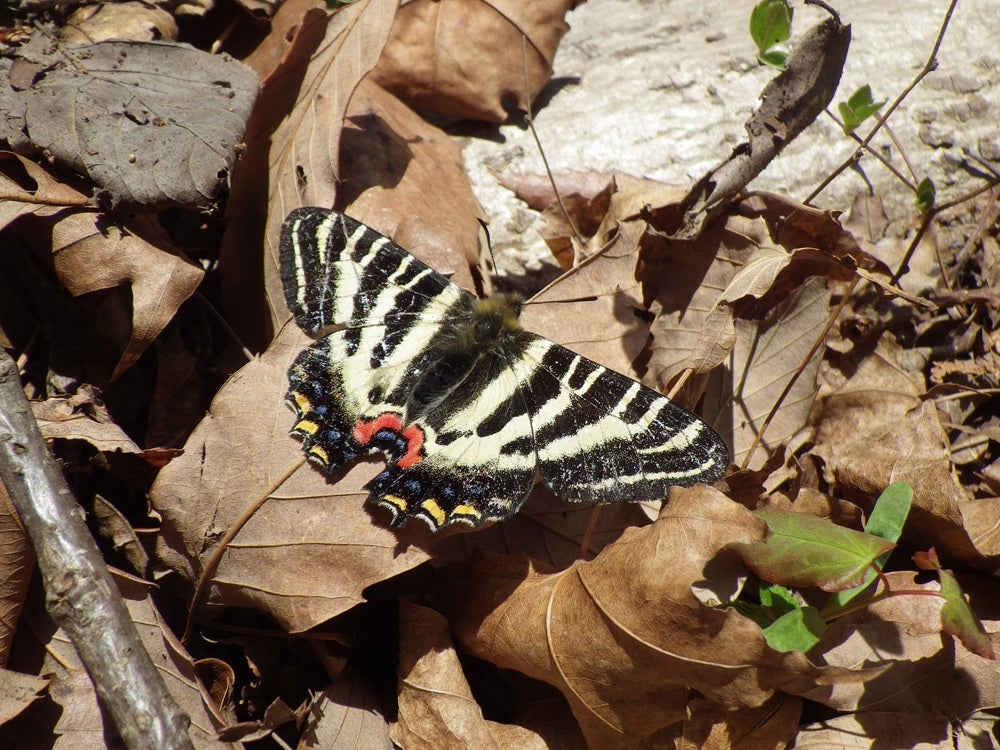
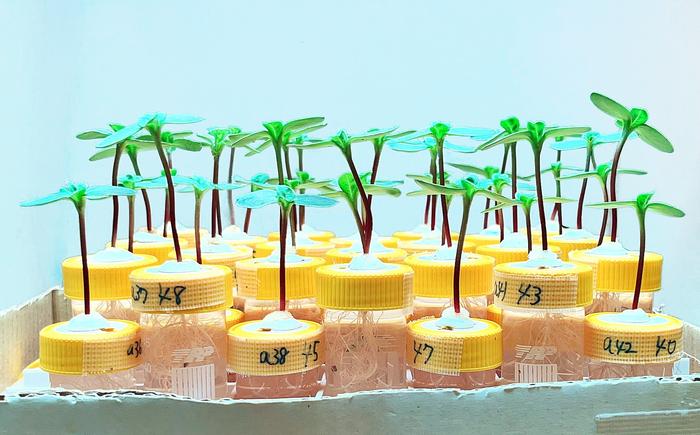
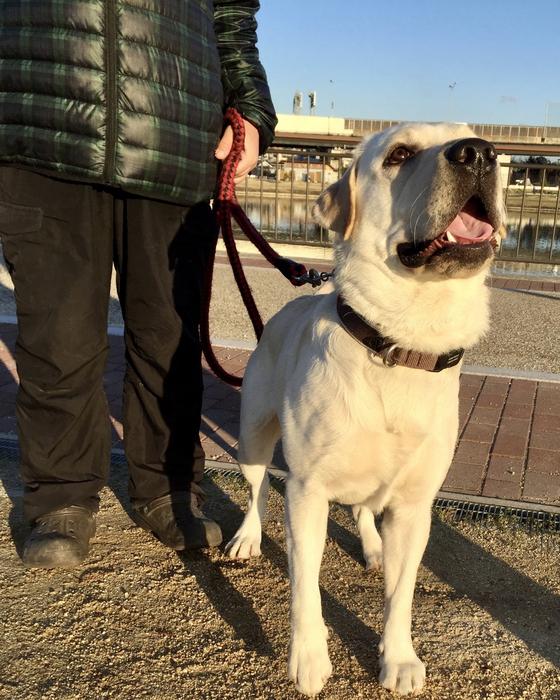
Never underestimate graphics
If I spend half my effort on the title, I spend much of the remaining half on graphics.
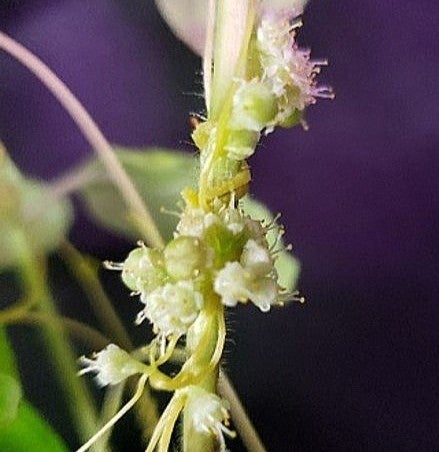
Good graphics do one of two things. They either explain the science beautifully, or they make a journalist stop and think, “What is that?”
Either outcome is a victory.
Scientists investigate mysteries. Science journalists often investigate mysteries too. So if an image looks slightly intriguing, there is a good chance someone will click.
Image
And in a trusted environment like EurekAlert!, curiosity is still one of the most powerful forces on the internet.
So there it is: the confession of an overly honest PR manager.
No secret formula. No magic tricks.
Just clear goals, careful headlines, accessible writing, strong visuals, and an unwavering belief that one more revision is occasionally worth the trouble.
Want to know how we choose which releases to feature on the EurekAlert! homepage? Check out How We Choose Featured Homepage Releases to learn more.